

Immediate Help Available Now
South Dakota Helpline
211
Available 24/7 for immediate assistance and connection to local resources throughout South Dakota.
National Domestic
Violence Hotline
1-800-799-7233
Confidential support available 24/7 in over 200 languages for anyone experienceing domestic violence.
RAINN National Sexual
Assault Hotline
1-800-656-4673
Free, confidential support 24/7 for survivors of sexual assault and their loved ones.
Find Your Nearest Support Agency
Connect with local agencies throughout South Dakota that provide support, advocacy, shelter, and resources for survivors of domestic violence and sexual assault.
You do not need to stay in a shelter to receive help. Advocates are available to support you, connect you with resources, and help you explore options, whether you are seeking shelter or not.
Note: Each agency serves one or more of South Dakota’s nine tribes.
Contact agencies directly to learn more about tribal-specific services and support.
Find Your Local Advocate Agency
Eastern SD
ABERDEEN — Safe Harbor Crisis: 1-888-290-2935 | Office: 605-226-1212
BROOKINGS — Margo’s Place Crisis: 605-692-7233
HURON — Jan Manolis Family Safe Center Crisis: 605-350-6690 | Office: 605-554-0398
LEMMON — Communities Against Violence (CAVA) Crisis: 605-244-7233 | Office: 605-374-5823
MADISON — Domestic Violence Network Crisis: 605-480-2721 | Office: 605-427-7233
MITCHELL — Safe Place of Eastern SD Crisis: 605-996-4440 | Office: 605-996-6622
REDFIELD — Ginny’s Safe House Crisis: 605-450-1345
SIOUX FALLS — Children’s Home Shelter for Family Safety Crisis: 1-888-378-7398 | Office: 605-338-0116
WATERTOWN — Beacon Center Crisis: 1-800-660-8014 | Office: 605-886-4304
YANKTON — Waypost Crisis: 605-665-1448 | Office: 605-665-4811
Central SD
CHAMBERLAIN — Missouri Valley Crisis Center Crisis: 605-234-5155 | Office: 605-730-5155
EAGLE BUTTE — Sacred Heart Center Crisis: 800-390-9298 | Office: 605-964-7233
FORT THOMPSON — Wiconi Wawokiya, Inc. Office: 605-245-2471
LOWER BRULE — Restoring Hope (Onaphe, Inc.) Crisis: 605-730-2471
MISSION — White Buffalo Calf Women’s Society Crisis: 844-856-2317 | Office: 605-856-2317
PIERRE — Missouri Shores Domestic Violence Center Crisis: 1-800-696-7187 | Office: 605-224-0256
SISSETON — Wac’ang’a Inc. Office: 605-698-4129
WINNER — Winner Resource Center for Families Crisis: 1-877-695-0558 | Office: 605-842-2736
Western SD
RAPID CITY — Working Against Violence, Inc. (WAVI) Crisis: 605-341-4808 | Office: 605-341-3292
RAPID CITY — Where All Women Are Honored Office: 605-391-2609
SPEARFISH — Artemis House Crisis & Office: 605-642-7825
STURGIS — Crisis Intervention Shelter Service (CISS) Crisis: 800-755-7432 | Office: 605-347-0050
Tribal Communities
Note: Each agency serves one or more of South Dakota’s nine tribes. Contact agencies directly to learn more about tribal-specific services.
EAGLE BUTTE — Sacred Heart Center Crisis: 800-390-9298
FORT THOMPSON — Wiconi Wawokiya, Inc. Crisis: 605-730-2471
LOWER BRULE — Restoring Hope (Onaphe, Inc.) Crisis: 605-730-2471
MISSION — White Buffalo Calf Women’s Society Crisis: 844-856-2317
SISSETON — Wac’ang’a Inc. Office: 605-698-4129
WINNER — Winner Resource Center for Families Crisis: 1-877-695-0558
What can we assist you with?
Resources for Domestic Violence
What is Domestic Violence?
Domestic violence is a pattern of behaviors used by one person to gain power and control over another in an intimate or family relationship.
Domestic violence can happen between:
- Current or former partners or spouses
- Dating partners
- People who live together
- Family members or caregivers
Domestic violence is not just physical abuse. It can include many forms of harm.
Domestic Violence May Include:
- Physical abuse (hitting, pushing, choking, restraining)
- Emotional or verbal abuse (threats, humiliation, intimidation)
- Sexual abuse or coercion
- Financial abuse (controlling money, preventing work)
- Isolation from friends, family, or community
- Stalking, monitoring, or controlling behavior
Domestic violence can happen to anyone and is never the victim/survivor’s fault.
Signs of Domestic Violence
Not all abuse leaves visible injuries. Many signs are emotional or behavioral.
Physical Signs May Include:
- Unexplained injuries or frequent “accidents”
- Chronic pain, headaches, or fatigue
- Delayed or avoided medical care
Emotional or Behavioral Signs May Include:
- Fear of a partner or family member
- Anxiety, depression, or feeling “on edge”
- Low self-esteem or self-blame
- Isolation from friends, family, or cultural supports
- Changes in work, school, or daily routines
If you recognize these signs in yourself or someone you care about, help is available.
What to Do If You Are Experiencing Domestic Violence
You deserve to be safe. You have choices, and support is available at every step.
1. Get to a Safe Place. If you are in immediate danger, call 911. If possible, go somewhere safe, such as a trusted person’s home, a shelter, or a public place.
2. Seek Medical Care. If you are injured or concerned about your health call 911 or seek medical care as soon as possible. You can receive treatment even if you choose not to report. Healthcare providers can help document injuries and support your health needs.
3. Reporting. Reporting to law enforcement is your choice. Call 911 or work with an advocate. An advocate can help you decide what works best for you and can help you file a protection order.
4. Reach out for support. Advocates can support you regardless of what you decide and can offer guidance and resources. You do not have to stay in a shelter to receive services.
What to Do If You Are Experiencing Domestic Violence
You deserve to be safe. You have choices, and support is available at every step.
1. Get to a Safe Place. If you are in immediate danger, call 911. If possible, go somewhere safe, such as a trusted person’s home, a shelter, or a public place.
2. Seek Medical Care. If you are injured or concerned about your health call 911 or seek medical care as soon as possible. You can receive treatment even if you choose not to report. Healthcare providers can help document injuries and support your health needs.
3. Reporting. Reporting to law enforcement is your choice. Call 911 or work with an advocate. An advocate can help you decide what works best for you and can help you file a protection order.
4. Reach out for support. Advocates can support you regardless of what you decide and can offer guidance and resources. You do not have to stay in a shelter to receive services.
For Information on domestic violence assessments and group treatment for offenders, call 605-731-2021 or visit LSS Behavioral Health Services.
Sexual Assault Information and Resources
What is Sexual Assault?
Sexual Assault is any sexual contact or behavior that happens without your consent. Sexual Assault can be committed by a stranger, or someone you know, including a partner, family member, friend, or acquaintance.
Sexual assault may include:
- Unwanted touching or groping
- Sexual acts when someone is unable to consent due to drugs, alcohol, sleep, age, disability, or fear
- Forced or coerced sexual acts
Sexual assault is never your fault, regardless of what you were wearing, where you were, or whether you knew the person.
Signs of Sexual Assault
Sexual Assault affects everyone differently. There is no “right” way to feel or respond.
Physical Signs May Include:
- Pain, bruising, or injuries
- Difficulty sleeping or changes in appetite
- Headaches, stomach pain, or other unexplained physical symptoms
Emotional or Behavioral Signs May Include:
- Shock, numbness, fear, or confusion
- Anxiety, depression, or panic attacks
- Flashbacks or nightmares
- Feeling ashamed, guilty, or disconnected
- Withdrawing from people or activities
These reactions are common and valid. Support can help.
Getting Help If You Have Experienced Sexual Assault
1. Get to a Safe Place. Find a safe location, like a hospital. If you do not feel safe or you’re in immediate danger, call 911. Find a shelter or a sexual assault advocate near you.
2. Seek Medical Care. Call 911 or go to your nearest hospital emergency room. It is important to see a medical professional to help both your immediate physical health and prevent further damage to your health. A doctor or nurse may give you medicine to prevent HIV and other sexually transmitted infections (STIs) and emergency contraception to prevent pregnancy. You can receive an exam and treatment without having to report to the police or make other decisions at this time. A nurse or doctor can walk you through your options. The exam will be completed at no charge to you, and is required by law to be paid for by the county the crime was committed in.
3. Reporting. The decision to report the assault to law enforcement is up to you and an entirely personal decision. Call 911 or work with an advocate to reach out. Having a sexual assault forensic exam ensures that the forensic evidence will be safely preserved if you decide to report at a later time.
4. Reach out for Support. Advocates are available to help you navigate the aftermath of a rape or sexual assault and can offer support or guidance. Local advocacy agencies are listed below.
Understanding Your Legal Rights as a Survivor in South Dakota
Legal and Justice Support
You have rights. Help is available.
Experiencing domestic violence, dating violence, sexual assault, or stalking can affect many parts of your life—your safety, your family, your housing, your finances, and your future. You are not alone, and you do not have to figure this out by yourself.
Legal and justice supports are available to help you understand your options and make decisions that feel right for you.
An advocate can help you connect with legal resources, explain processes, and support you no matter what you choose.
Your Rights
You have the right to:
-
Be treated with dignity and respect
-
Ask questions and receive clear information
-
Seek legal help without cost for many services
-
Decide whether or not to participate in the legal system
-
Have an advocate support you during legal or court processes
You can access many legal services without reporting to law enforcement.
Civil Legal Assistance for Survivors
For survivors who need civil legal assistance related to:
-
Domestic violence
-
Dating violence
-
Sexual assault
-
Stalking
These services are free to survivors, depending on availability of resources.
Please note:
-
Court filing fees or other costs may still apply
-
There is no guarantee an attorney can take a case
Legal issues may include:
-
Custody and parenting time
-
Divorce or separation
-
Protection orders
-
Housing or employment issues
-
Other civil legal matters related to abuse
East of the Missouri River:
Survivors living east of the Missouri River may be eligible for services. For more information or to request a referral, please contact your local domestic violence shelter or agency, or call The Network at 605-731-0041.
West of the Missouri River:
Survivors living west of the Missouri River may apply for services through Working Against Violence, Inc. (WAVI) in Rapid City. To apply, please contact WAVI at 605-341-3292.
For Protection Order Services
Resources for Survivors
Connect with local agencies throughout South Dakota that provide support, advocacy, shelter, and resources for survivors of domestic violence and sexual assult.
Why Victim Services and Domestic Violence Shelters Are Essential to Law Enforcement in South Dakota
Domestic violence and sexual assault cases are among the most dangerous and emotionally charged calls law enforcement officers respond to. Across South Dakota’s 66 counties, officers consistently report that domestic violence shelters and sexual assault advocacy programs are critical partners in strengthening investigations, protecting victims, and improving long-term public safety.…

Prosecutor Protocol for Sexual Assault Victims
Learn what sexual assault victims can expect during prosecution. Access the comprehensive Prosecutor Protocol, including victim support, courtroom guidance, and collaboration with multidisciplinary teams.

Resources for Victims/Survivors with Disabilities
Information and resources to support victims and survivors with disabilities, including interpreter services, liaison support, service animals, and guidance for working with Deaf survivors.
Sexual Assault in South Dakota: Survivor Help, Exams & Legal Options
What to do if you have experienced a sexual assault.
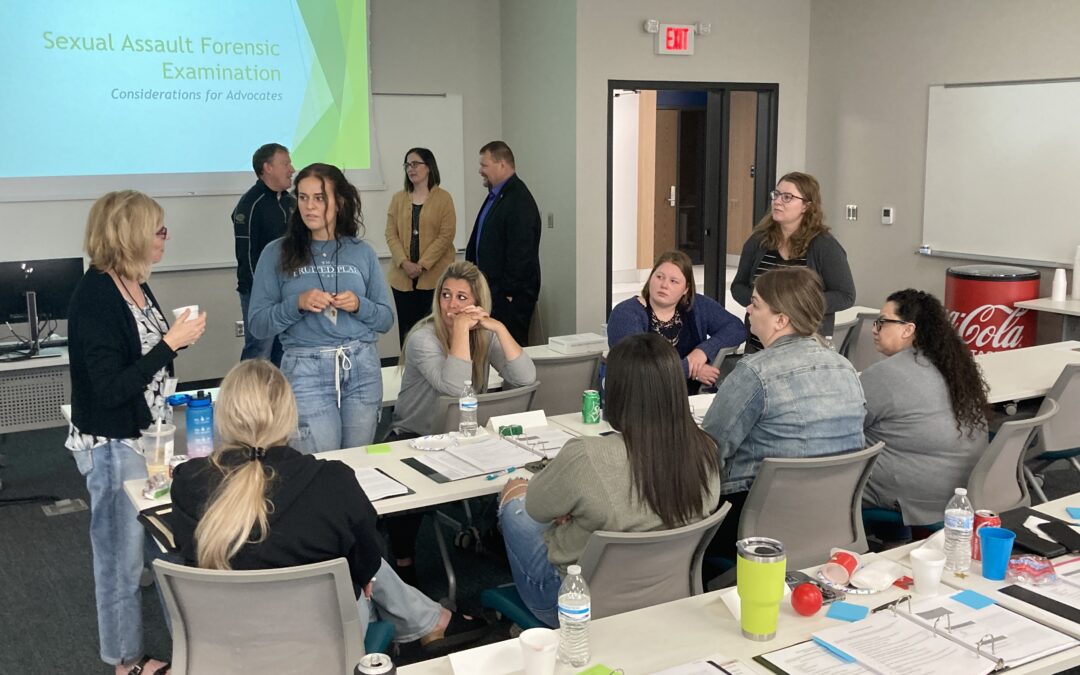
Sexual Assault Response Teams in South Dakota
Learning about Sexual Assault Response Teams (SARTs) in South Dakota

Information and Resources for Other Forms of Violence
Access information and resources on human trafficking, strangulation, stalking, and elder abuse, including South Dakota laws and victim services.
Resources and Information about Human Trafficking in South Dakota
Comprehensive resources and information about human trafficking in South Dakota. Learn to recognize the signs, access victim support services, and find guidance for reporting and prevention. Designed for survivors, advocates, and community partners, these tools help strengthen responses and protect vulnerable individuals across the state.
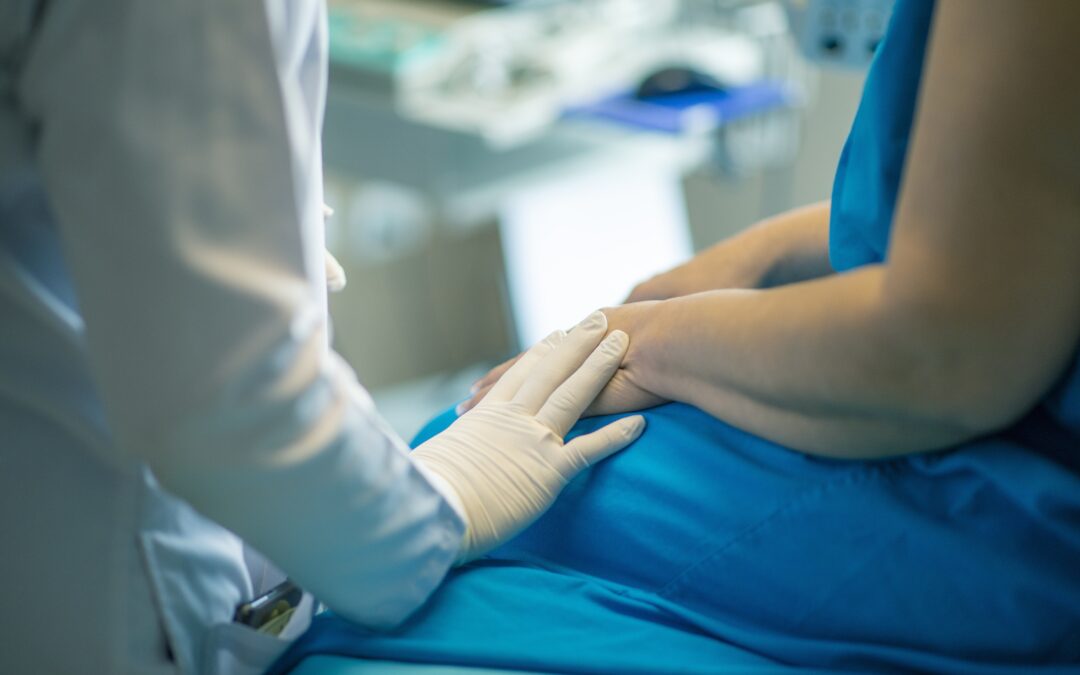
South Dakota Sexual Assault Exam Information and Resources
Information about what you should know about Sexual Assault exams.
Resources for Understanding Your Legal Rights as a Survivor in South Dakota
Resources to help survivors in South Dakota understand their legal rights, access civil legal assistance, protection orders, and supportive advocacy.
Sexual Assault Resources
Find information and resources on sexual assault, including signs, safety planning, medical care, reporting options, and support for survivors.
Abuse Self-Assessment & Safety Planning
Take a confidential abuse self-assessment and learn how to recognize warning signs, understand risk levels, and find safety planning resources and support.
Language Matters
You may notice that we use the words “victim” and “survivor” throughout this site.
We use both terms intentionally and interchangeably, because people who have experienced violence describe themselves in different ways. Some people prefer the term victim because it clearly names the harm that was done to them and can be important in legal or justice settings. Others prefer the term survivor because it reflects strength, resilience, and healing.
There is no right or wrong term.
What matters most is your choice. We respect and honor the language each person uses to describe their own experience. Our services and support are the same regardless of the words you prefer.
If you work with an advocate, you can always let them know what language feels best to you and that preference will be respected.